











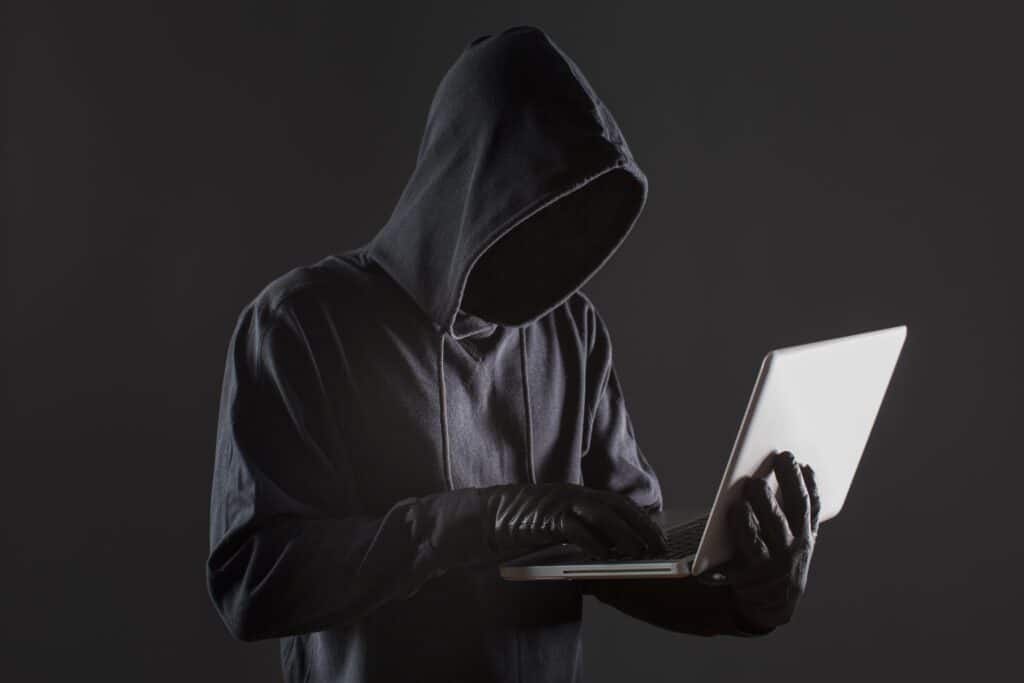
Phishing emails, fake prize notifications, demands for money, or bogus job offers – online scammers are becoming increasingly creative in their attempts to reach their victims. Stay vigilant against potential traps, and you can enjoy the internet to the fullest.
Phishing emails
Despite spam filters, unwanted emails still land in inboxes. These are often fake prize notifications, bogus invoices, or tempting job offers. Attackers use these methods to gain access to sensitive data or your computer.
- Always remain critical of emails that sound euphoric.
- Take a close look at the sender's address. Is it a cryptic, meaningless address? Even if the email appears to be from a well-known company, this can be misleading. Checking the company's official website can help. If you're still very unsure, you can always contact the supposed company to verify the email.
- Be aware that professional providers will never ask you via email to disclose sensitive data such as logins or passwords.
- Links in emails can lead you to fake websites or automatically download files. Be aware that the link text may differ from the actual link URL. So, if the link looks harmless, like acompany.ch/contest, the URL behind it could actually lead to a completely different location.
- Only open attachments from trusted individuals. Also, check the attachment's format. Reputable companies rarely send invoices in Word format. If you are unsure whether an attachment is safe to open, scan it with an antivirus program.
- Phishing emails often contain many spelling and syntax errors.
- Do not reply to spam emails, otherwise you will verify your address for the scammers and you may receive even more spam.
- For example, use a separate email address for private purposes that you never give out online and only use for friends and relatives.
- Are you being pressured in the email? For example, to provide your credit card or bank information to avoid consequences? This could be a psychological trick used by cybercriminals.
- Impersonal forms of address can also be a clue.
Websites, links and pop-ups
While browsing the internet, you'll constantly encounter them: conspicuously placed call-to-action buttons enticing you with offers. These often lead to fake contests,ag, or deals. Online shops are particularly popular targets. At first glance, they appear perfectly normal, but you'll usually wait in vain for your order.
- Take a close look at the URL and trust your gut feeling.
- Always remain skeptical of suspiciously cheap goods.
- Also, check the legal notice (Impressum) on the websites.
- Look for reviews from other buyers (e.g., via Google or various platforms).
- Take a closer look at exclusively positive and highly enthusiastic comments.
- Only download files from verified websites or always activate a virus scanner.
- Always enter sensitive data with care.
- Does the website visually appear to belong to a well-known company? Nevertheless, check for errors, for example in the logo or the name.
But have they fallen into a trap?
Despite all precautions, you can still fall victim to fraud. Act quickly to avoid or minimize losses.
- Report the fraud to the police (they can also initiate criminal proceedings) and raise awareness among your friends and family.
- If you have made a payment with your credit card, contact your bank or credit card company as soon as possible and have your cards blocked if necessary.
- If you have entered account information for a platform, change your login details immediately. Change your login details everywhere you use them. For security reasons, never use the same login details for different platforms.
Conclusion
Always remain vigilant online. If you are unsure, contact the sender using official phone numbers or addresses and ask for clarificationagCheck websites dedicated to exposing and listing fraud (e.g., Watchlist). Keep your operating system and antivirus software up to date. Regularly review your bank statements and credit card statements, and take immediate action if you notice any discrepancies.
You can find more information on this topic here:
Project of the cantonal police
We wish you happy and safe surfing!