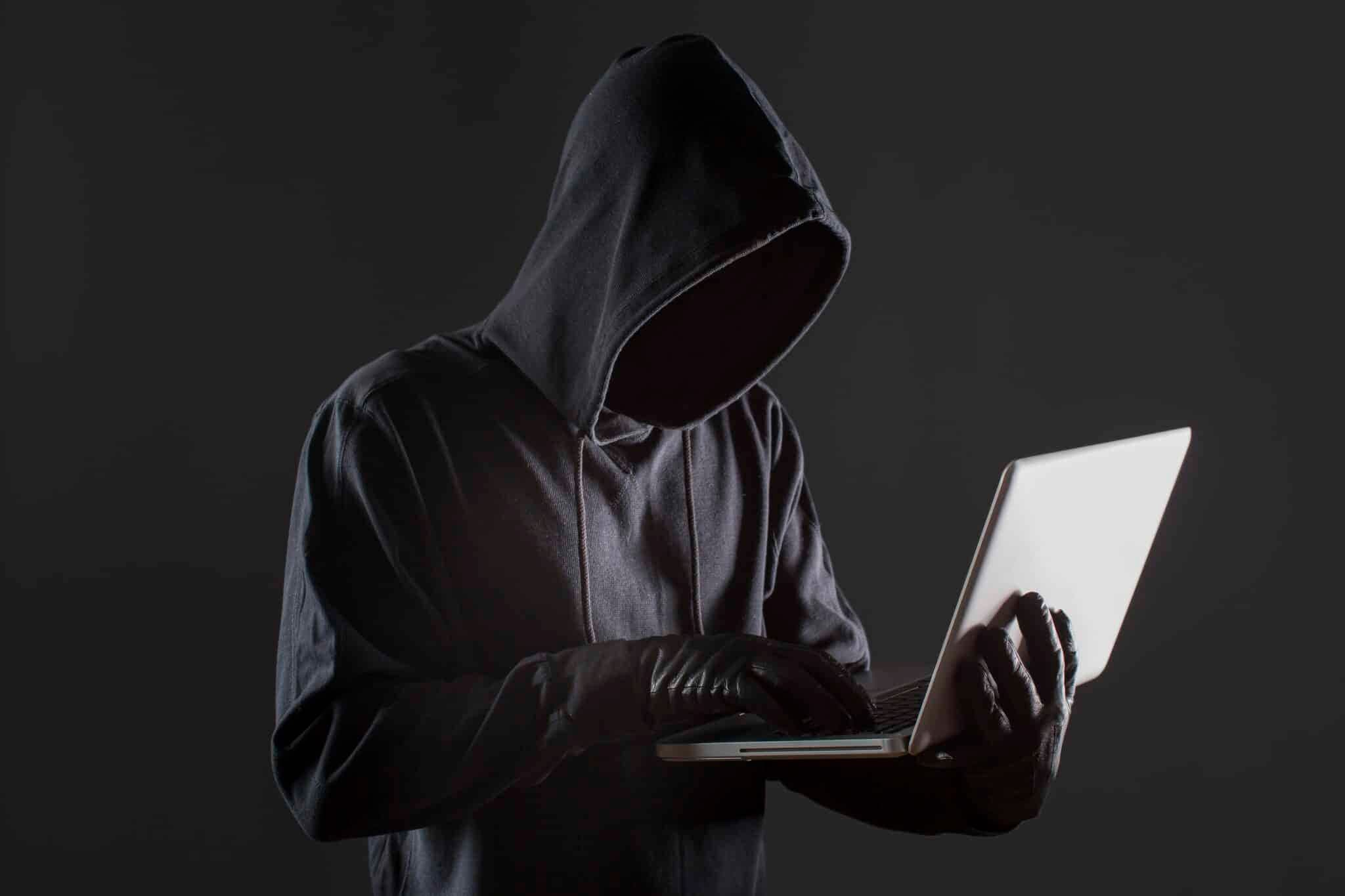
Phishing emails, fake prize notifications, demands for money or supposed job offers – online fraudsters are becoming ever more creative in reaching their victims. Stay alert to possible traps and you can enjoy the internet to the full.
Phishing emails
Despite spam filters, unwanted emails still land in inboxes. They are often fake prize notifications, supposed invoices or tempting job offers. The attackers want to get hold of sensitive data or access your computer.
- Always be critical of emails that sound euphoric.
- Take a very close look at the sender. Is it a cryptic address that means nothing? Even if the email appears to come from a well-known company, this can be deceptive. A look at the company’s official website can help. If you are very unsure, you can of course always contact the supposed company to verify the email.
- Be aware that professional providers will never ask you by email to disclose sensitive data such as logins or passwords.
- Links in emails can lead you to fake websites or download files automatically. Be aware that the link text may differ from the actual link URL. So if the link looks harmless, like einefirma.ch/Gewinnspiel, the URL behind it could in fact lead somewhere entirely different.
- Only open attachments from trustworthy people. Also check the format of an attachment. Reputable companies will hardly send invoices in Word format. If you are unsure whether an attachment can be opened safely, have it scanned by an antivirus program.
- Phishing emails often contain many spelling and syntax errors.
- Do not reply to spam emails; otherwise you confirm your address to the fraudsters and may receive even more spam.
- For private purposes, for example, use a separate email address that you never give out online and only use for friends and family.
- Does the email put you under pressure? For example, to provide your credit card or bank details to avoid consequences? This can be a psychological trick used by cybercriminals.
- Impersonal forms of address can also be a warning sign.
Websites, links and pop-ups
When surfing, you will constantly come across them: conspicuously placed call-to-action buttons luring you with offers. Behind them there are often fake competitions, surveys or offers. Online shops are a particularly popular example. At first glance they look completely normal, but you usually wait in vain for your goods.
- Look closely at the URL and trust your gut feeling.
- Always be sceptical of suspiciously cheap goods.
- Take a look at the legal notice on websites.
- Look for reviews from other buyers (e.g. via Google or various platforms).
- Take a closer look when comments are exclusively positive and very euphoric.
- Only download files from verified websites, and always have a virus scanner active here too.
- Always enter sensitive data with care.
- Does the website look as if it comes from a well-known company? Still watch out for errors, for example in the logo or the name.
Fallen into a trap after all?
Even with all due care, you may still fall into a fraudulent trap. Act quickly to avoid or minimise damage.
- Report the fraud to the police (who can also initiate criminal proceedings) and raise awareness among the people around you.
- If you have made a payment with your credit card, contact your bank or credit card company quickly and have your cards blocked if necessary.
- If you have entered account information for a platform, change your login details immediately. Change them everywhere you use the same ones. For safety, never use the same login details for different platforms.
Conclusion
Always stay alert in the world of the internet. If you are not sure, contact the sender via official numbers or addresses and ask. Check websites that have made it their mission to expose and list fraud (e.g. Watchlist). Always keep your operating system and antivirus program up to date. Check your bank statements and credit card bills regularly and act immediately if anything looks wrong.
You can find more information on the topic here:
We wish you happy and safe surfing!